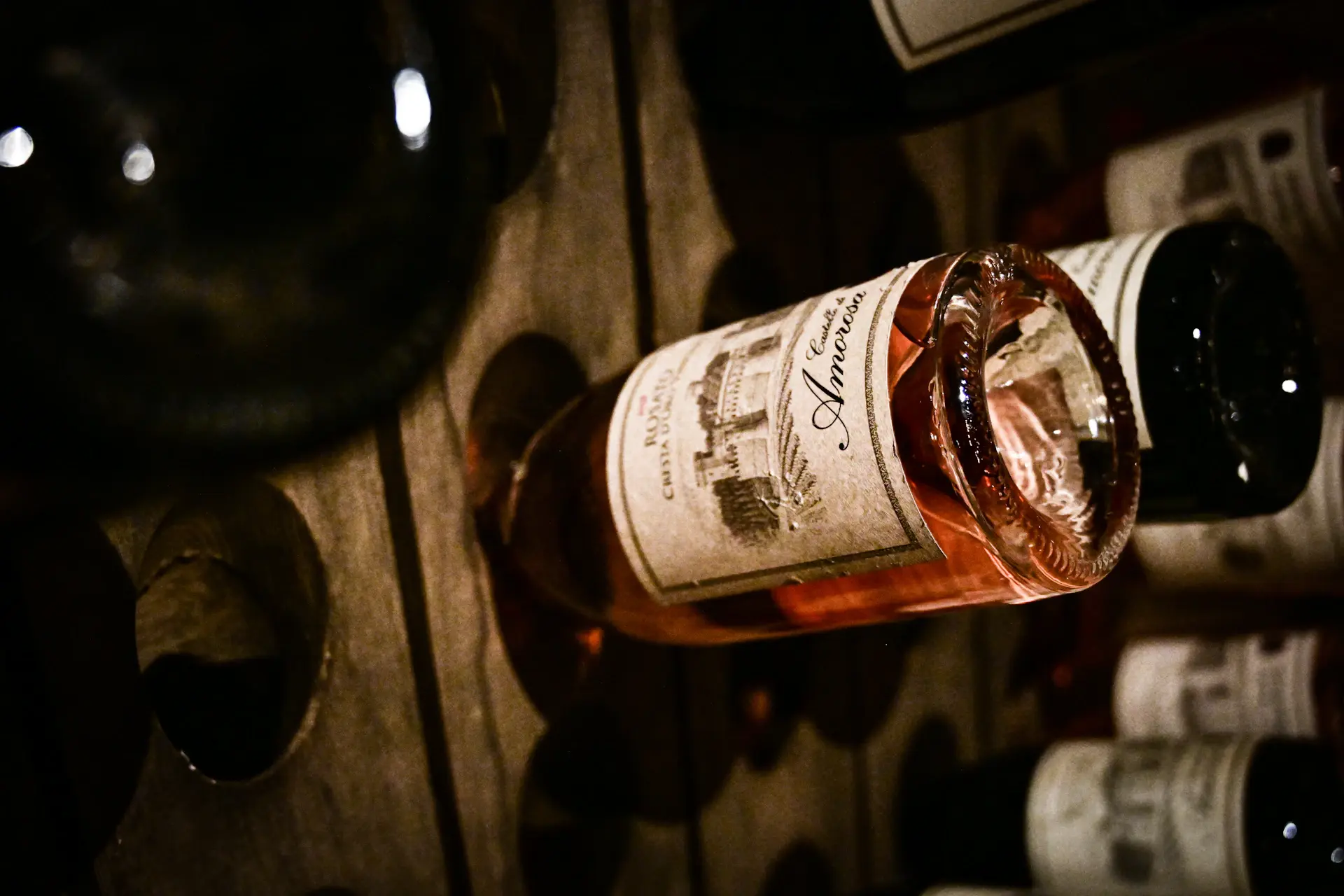
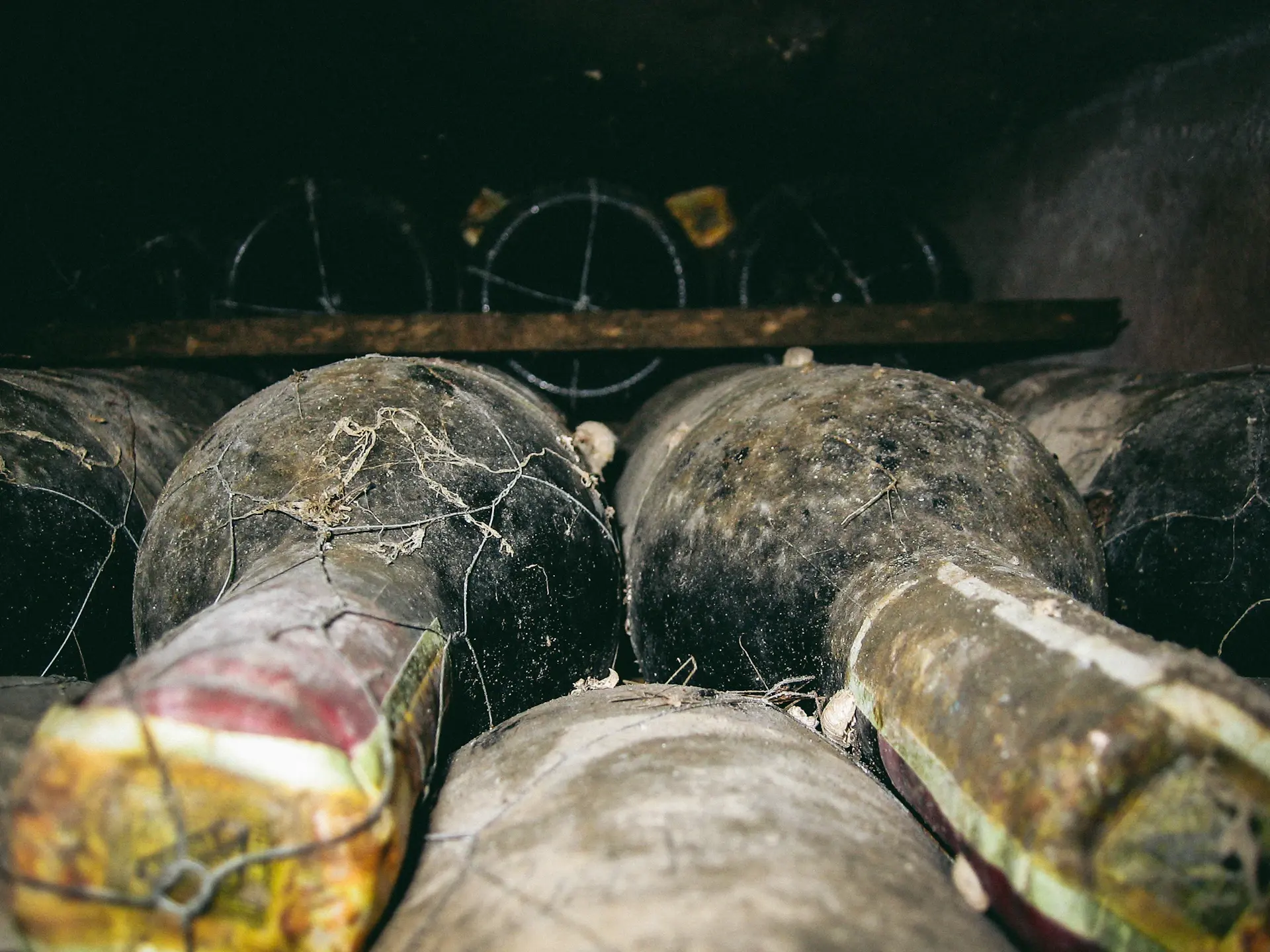
There is a particular quiet that lives only in a great cellar — a hush of cool air and slow time, where a bottle laid down today may not be opened until a grandchild is grown. To cellar a rare wine is not to store it, but to give it the one thing money cannot hurry: patience. The house has always believed that the most expensive ingredient in any collection is the decade you are willing to wait.
Maturation is a conversation between fruit and air, conducted at a whisper. A young Bordeaux arrives tightly furled — all tannin and graphite, more architecture than pleasure. Left to rest, those edges soften into cedar and truffle, and what was severe becomes generous. The wine does not change so much as it remembers what it was always meant to become.
The architecture of waiting
A cellar worthy of the name asks for three things, and asks for them without compromise: stillness, darkness and a temperature that never wavers. Vibration unsettles the sediment; light fatigues the fruit; heat ages a vintage cruelly fast. Get these right and the bottle forgets the world entirely, attending only to its own slow becoming.

A wine you must wait for teaches you the one virtue collecting cannot do without — the grace to want something you cannot yet have.
Reading a bottle's readiness
The connoisseur learns to read the small signals of maturity: the rim of a red softening from violet toward garnet, the perfume turning from primary fruit to the tertiary notes of forest floor and leather. There is no calendar for this — only attention. Our tasting notes exist precisely to mark these turning points for the bottles in our care.
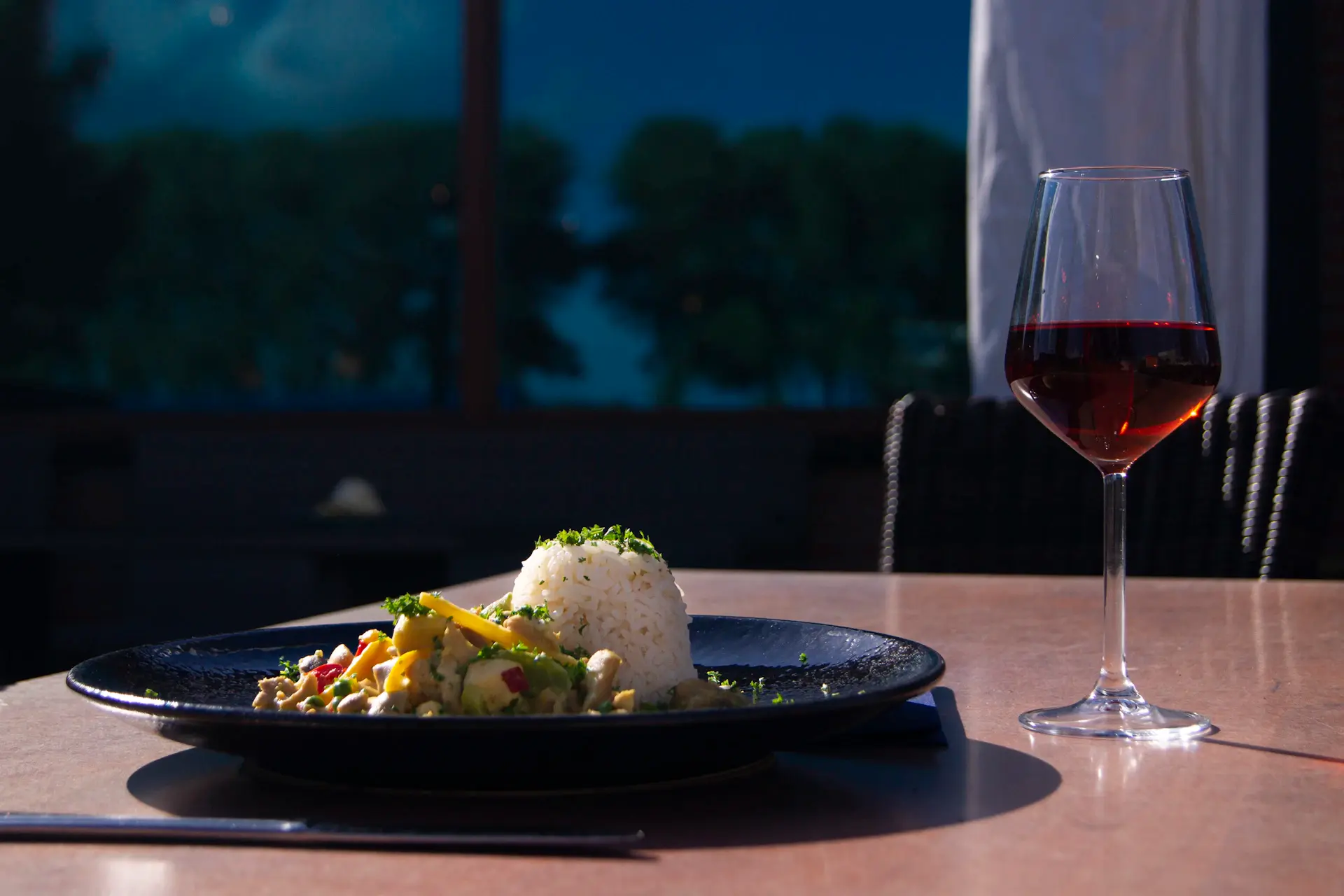
And so the cellar keeps its counsel. Somewhere within it, a bottle laid down this spring is beginning the long, silent work of becoming itself — indifferent to markets, untroubled by haste, answerable only to time. When at last it is drawn and decanted, it will carry the whole of that patience in a single glass. That, in the end, is the luxury: not the wine alone, but the waiting that made it worth the wine.