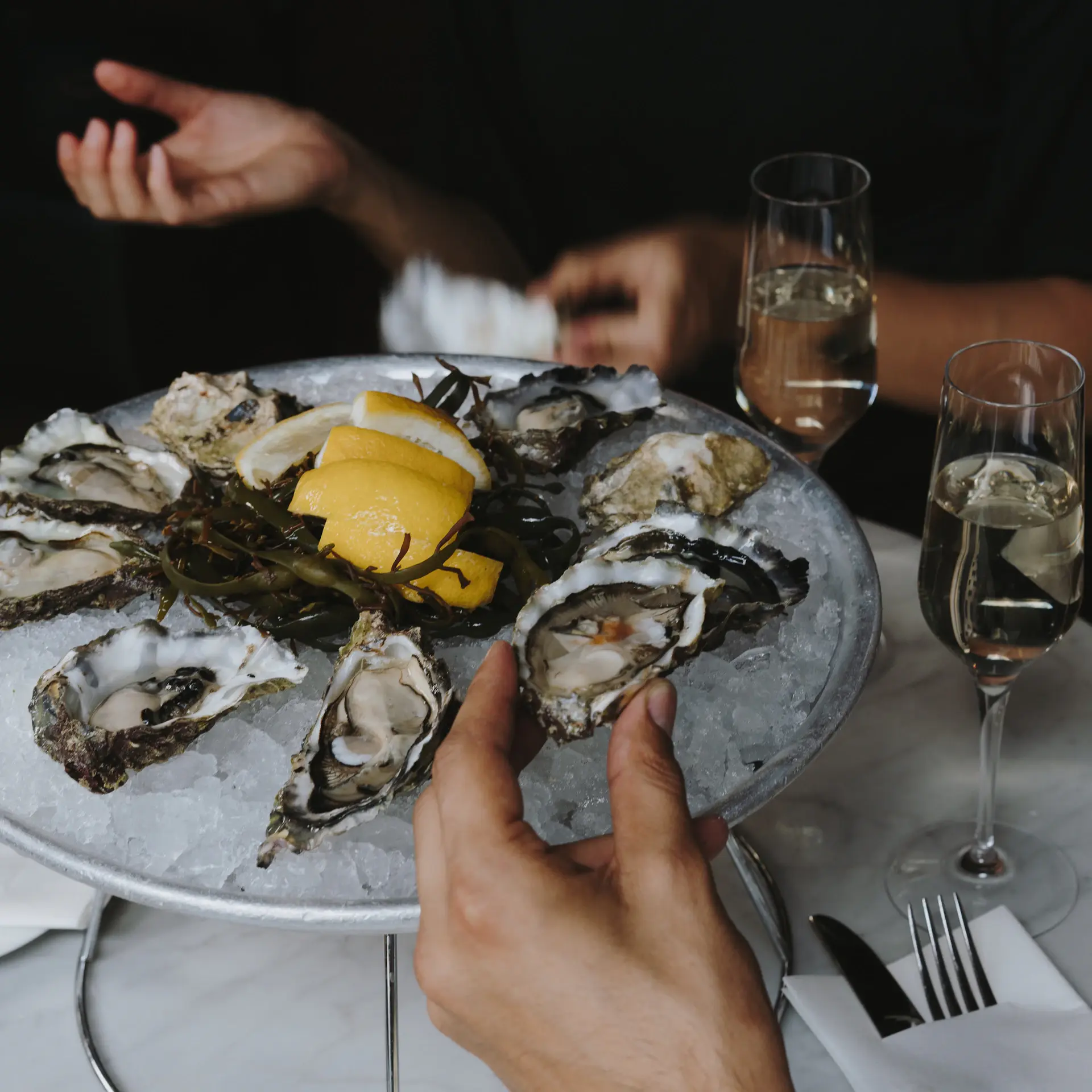
Crisp acidity and saline brininess meet — a classic of the coast.
Every rare bottle tells its story slowly. Learn to read the colour, the nose and the finish — and let each pour become a quiet ceremony.
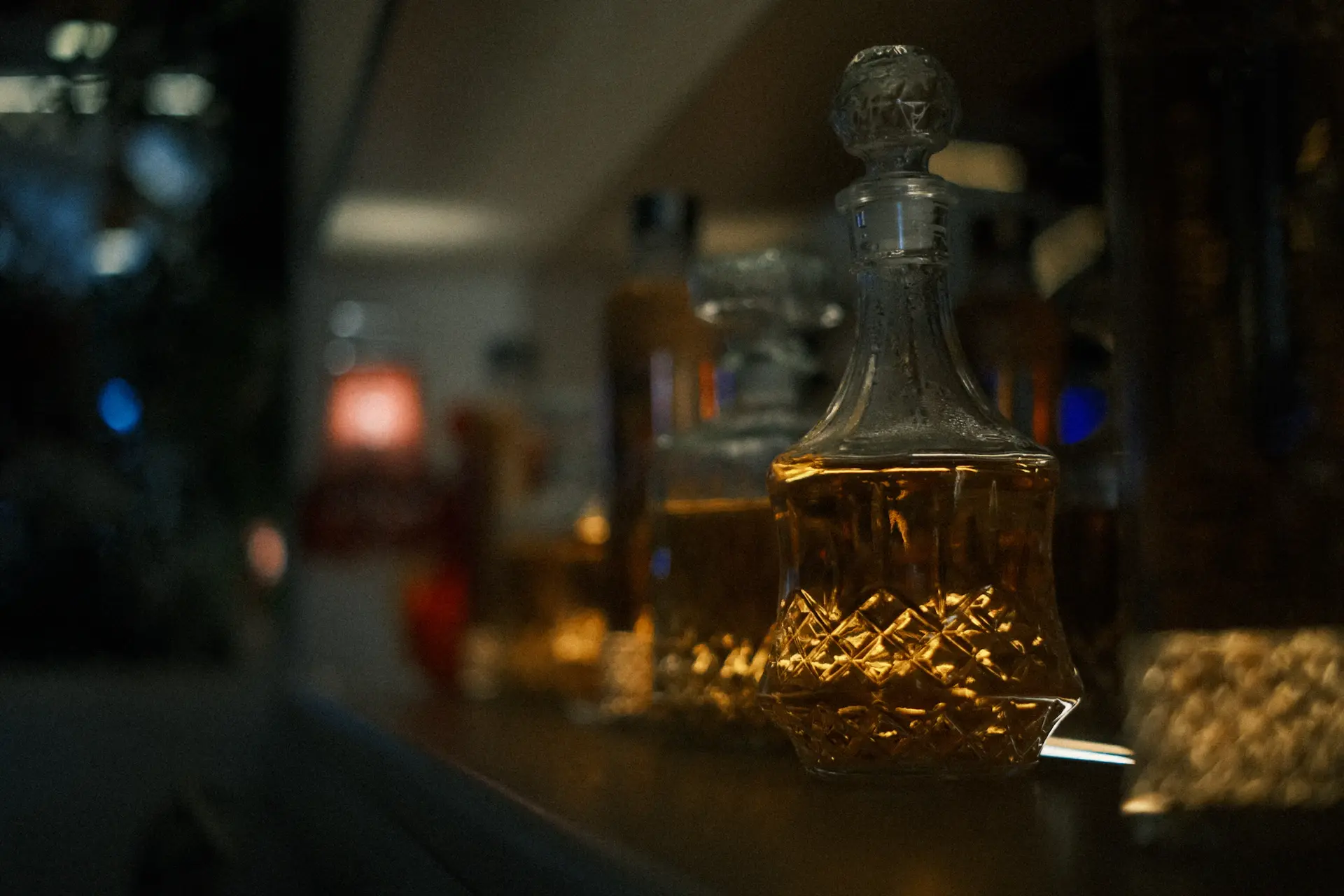
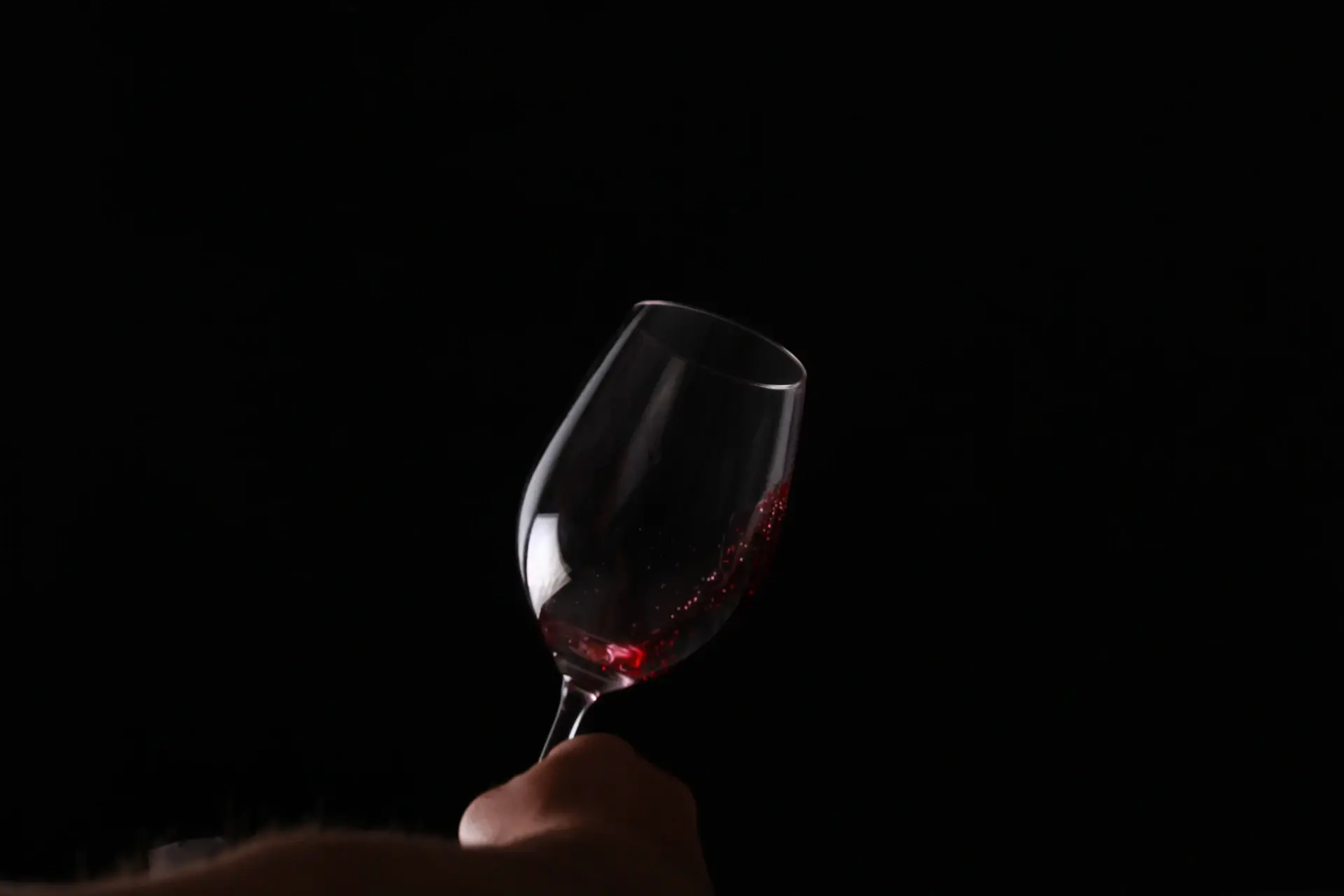
Tilt the glass against the light. Read the depth of colour and the legs that fall — they reveal age, body and concentration.
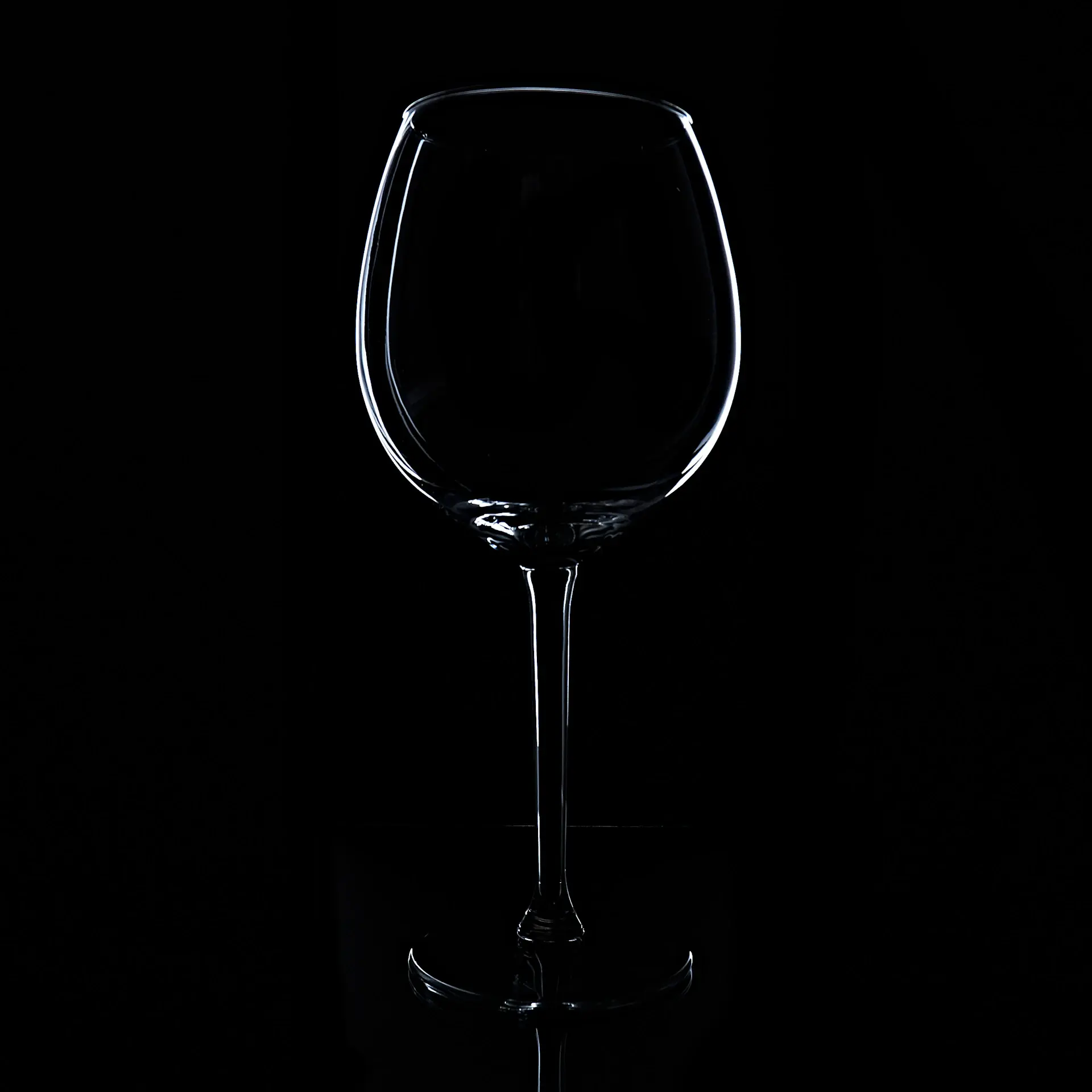
A slow, deliberate swirl coaxes the aromas awake. Let the liquid coat the glass and breathe before it ever meets the palate.
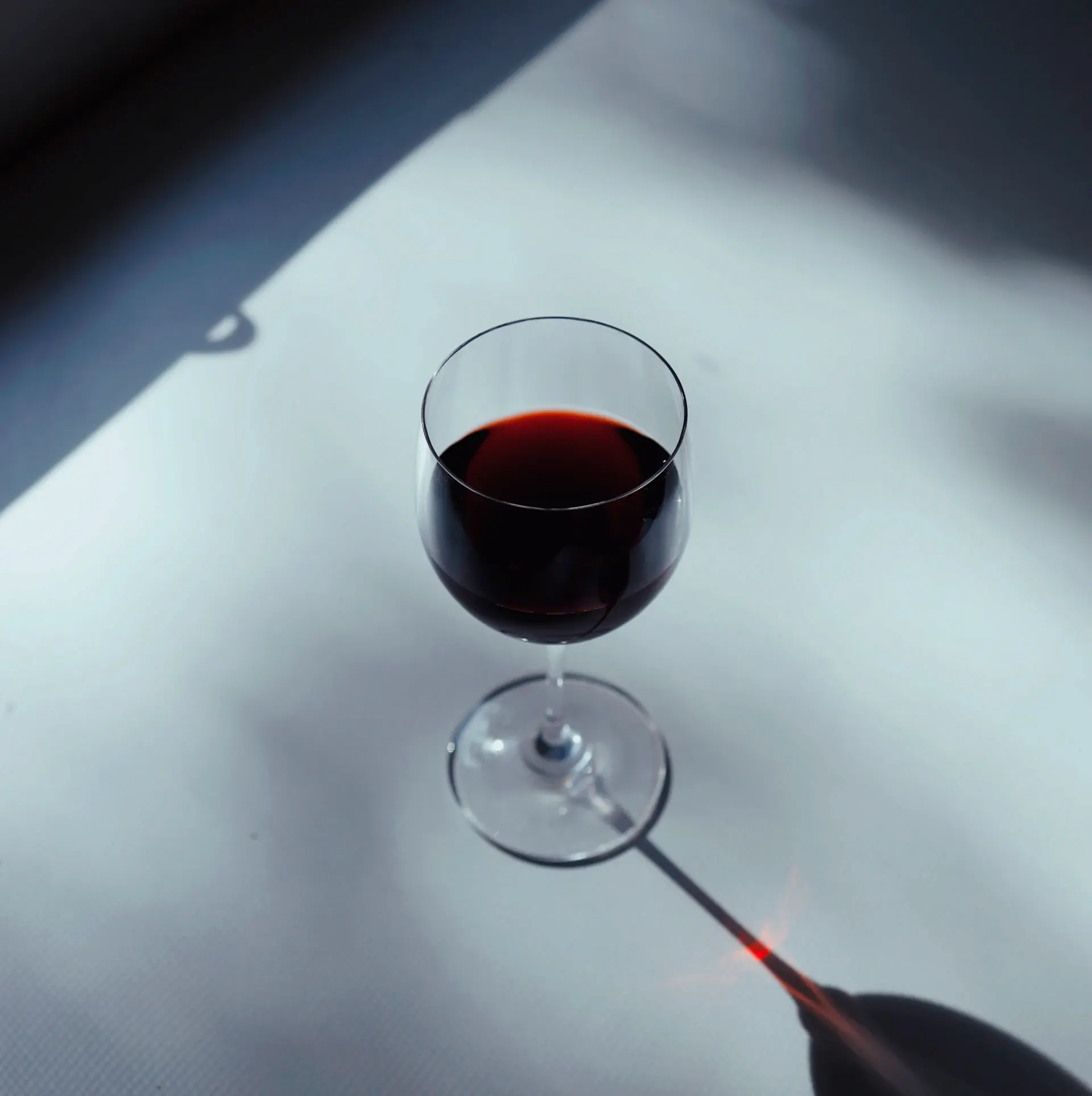
Draw the bouquet in gently. First the fruit, then the spice and oak — each layer a chapter of its terroir and its years in cask.
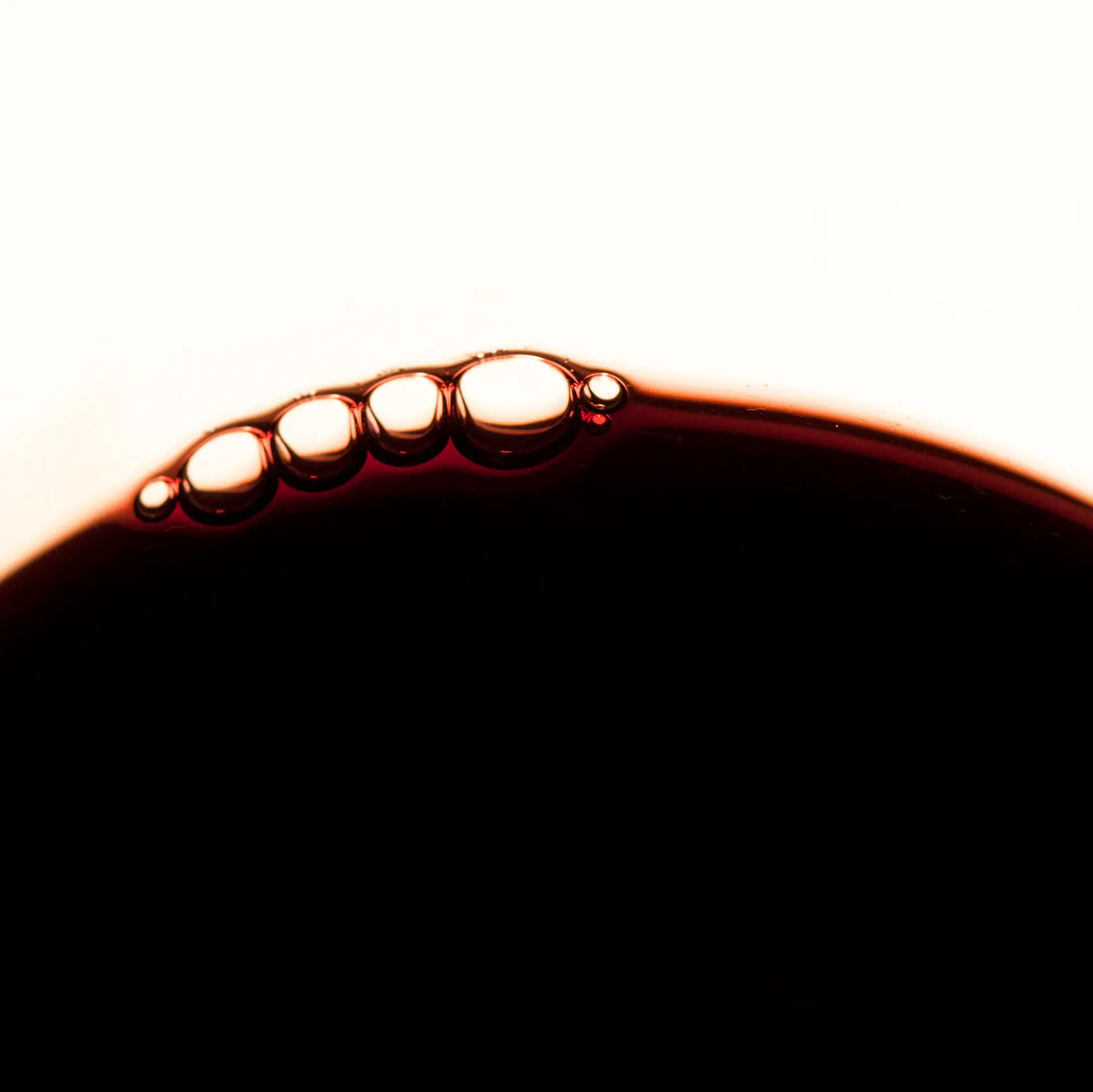
Take a measured sip and let it travel the palate. Note the attack, the texture and the way the flavours unfold and shift.
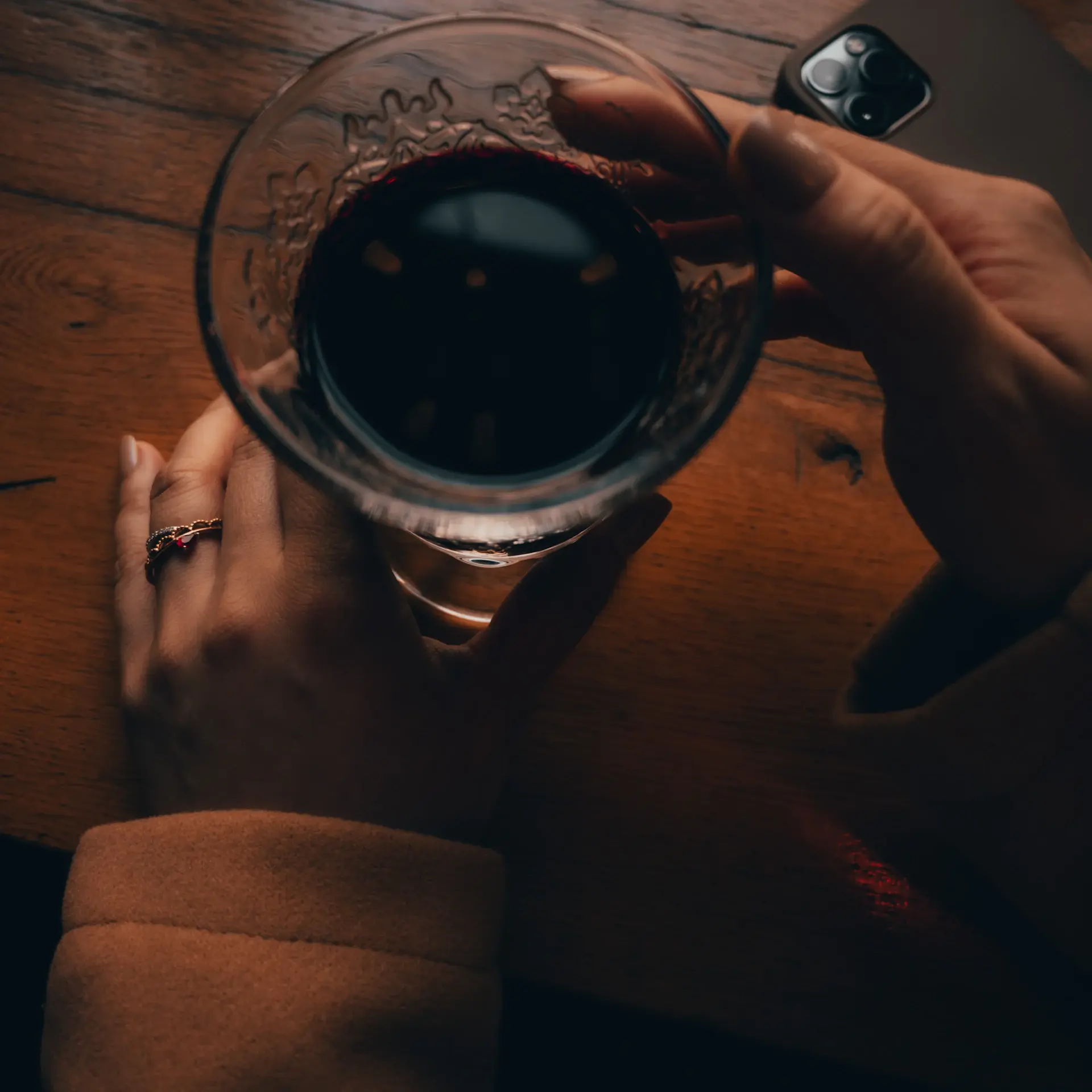
Pause. The finest pours linger long after the swallow — a quiet, evolving finish that rewards your patience.
Aroma is the language of a fine pour. The bouquet arrives in families — fruit, floral, spice, oak — each a clue to origin, cask and age. Trace the wheel to name what you sense.
The right companion lifts a great pour to memorable. A considered pairing of contrast and harmony.
Crisp acidity and saline brininess meet — a classic of the coast.
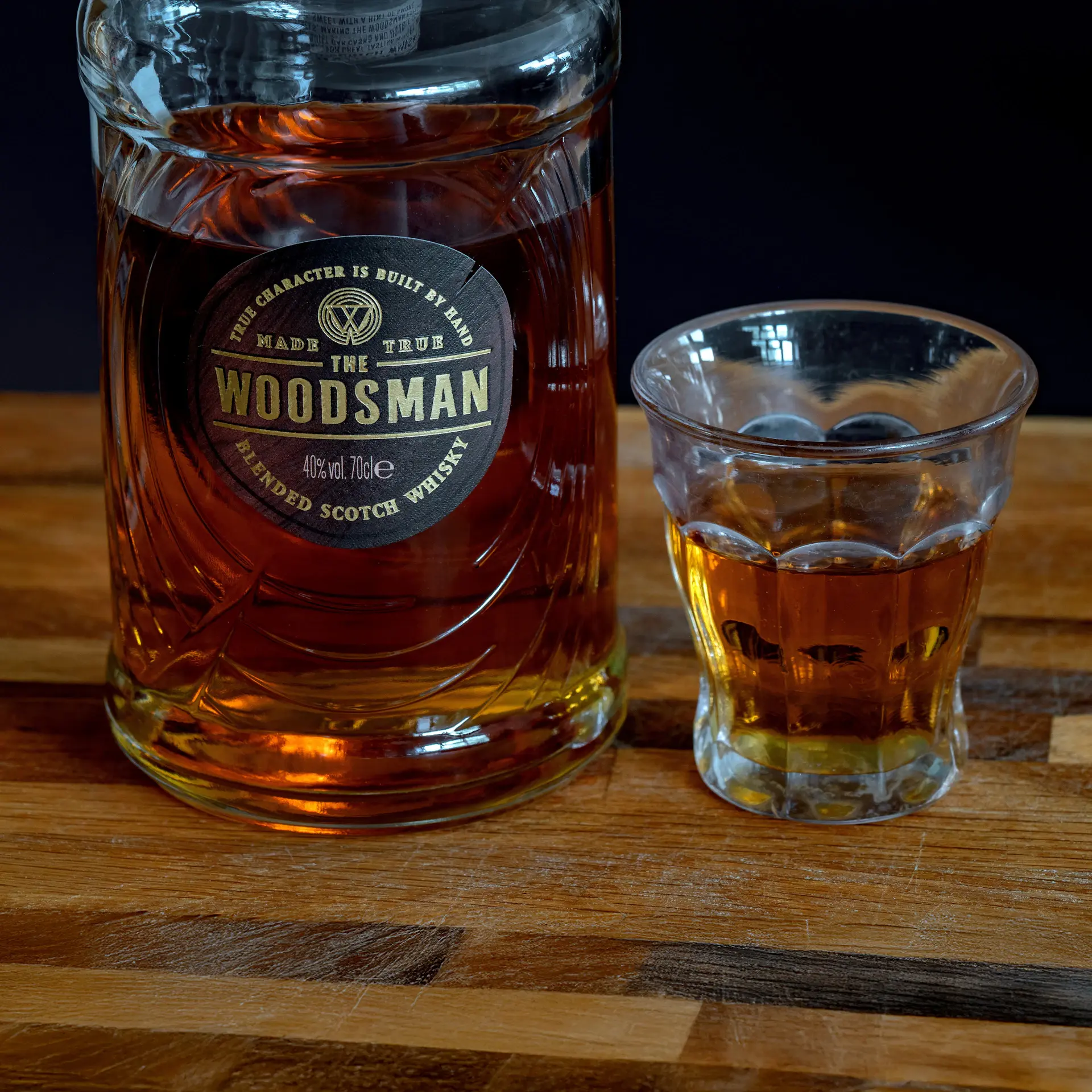
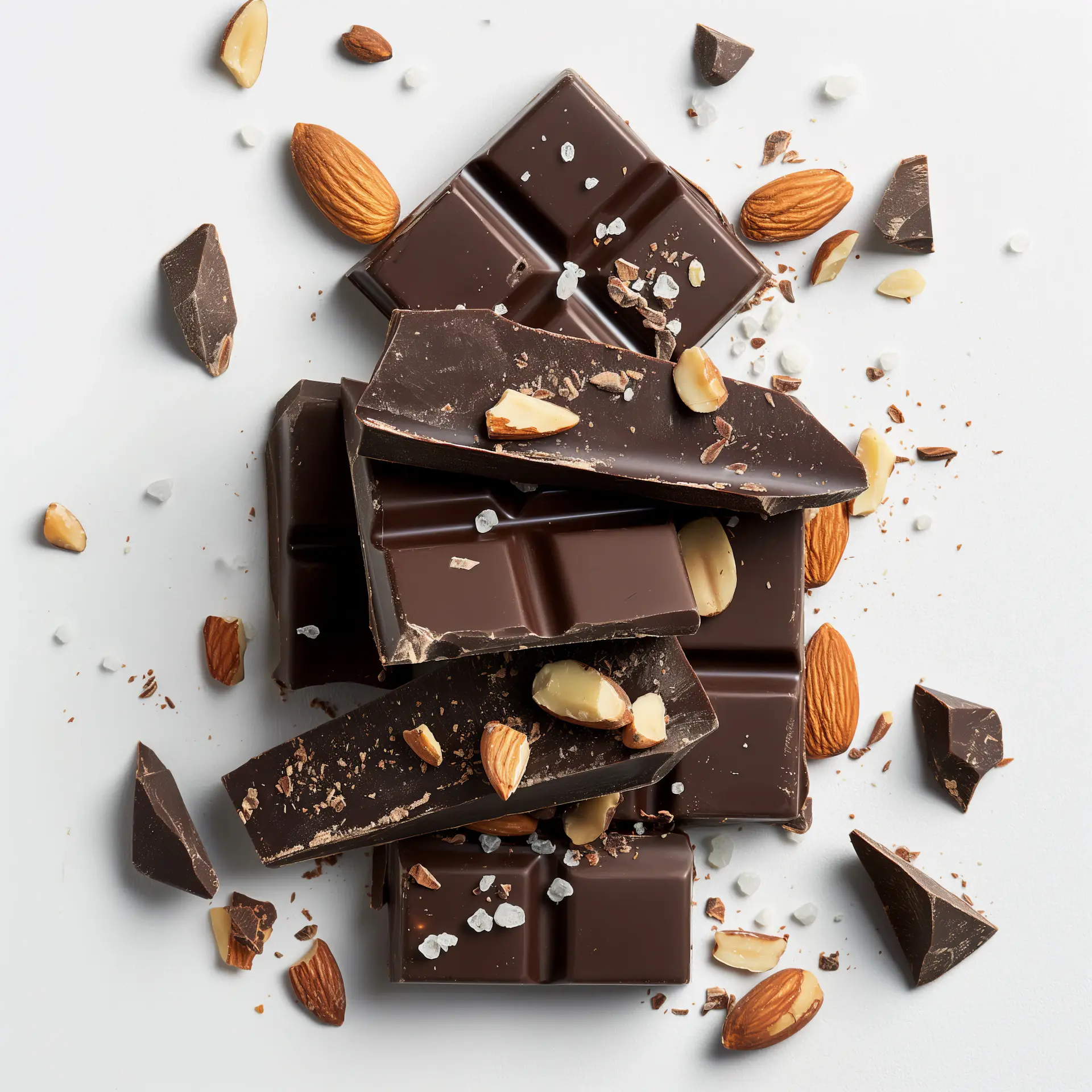
Smoke and bitter cacao deepen one another, sip after sip.
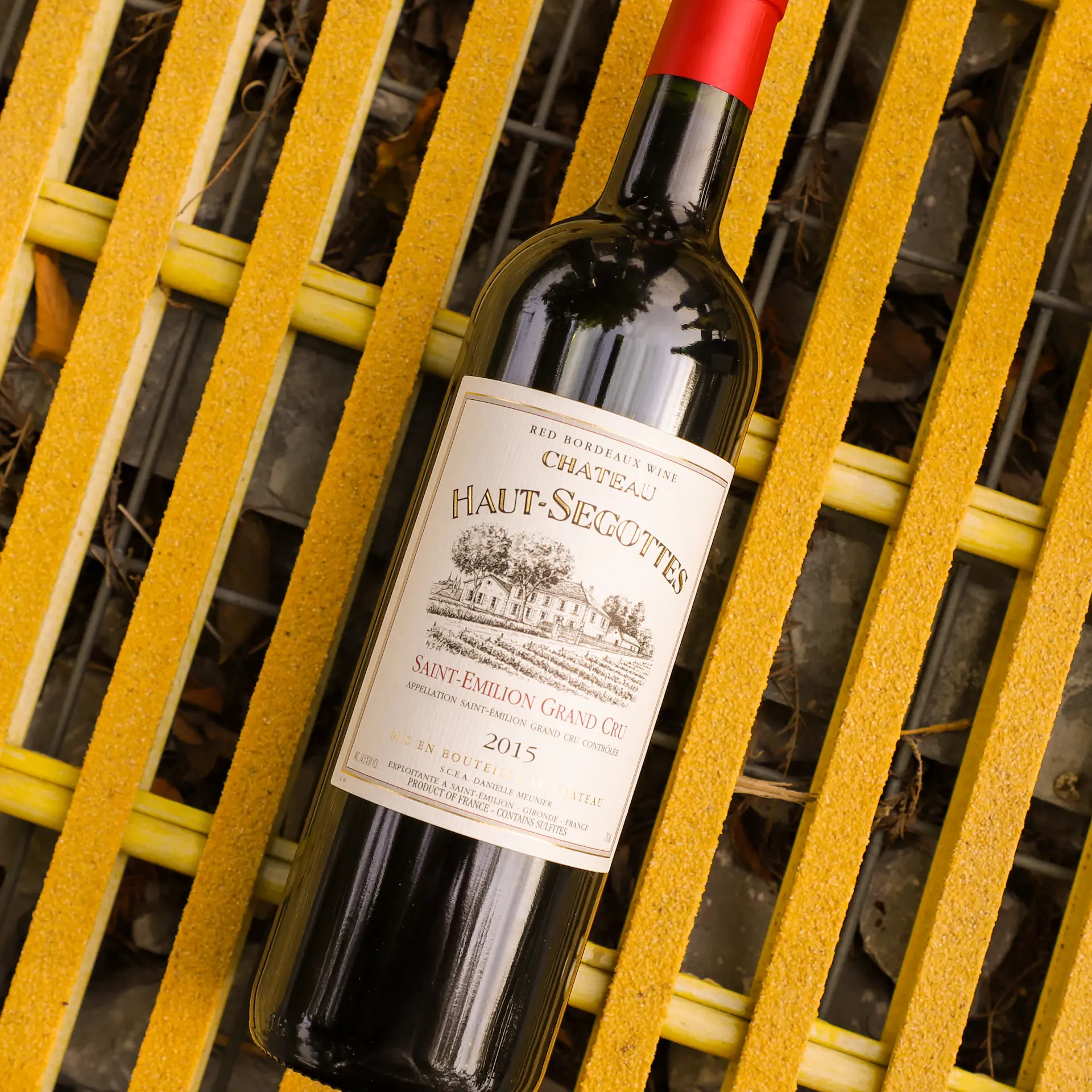
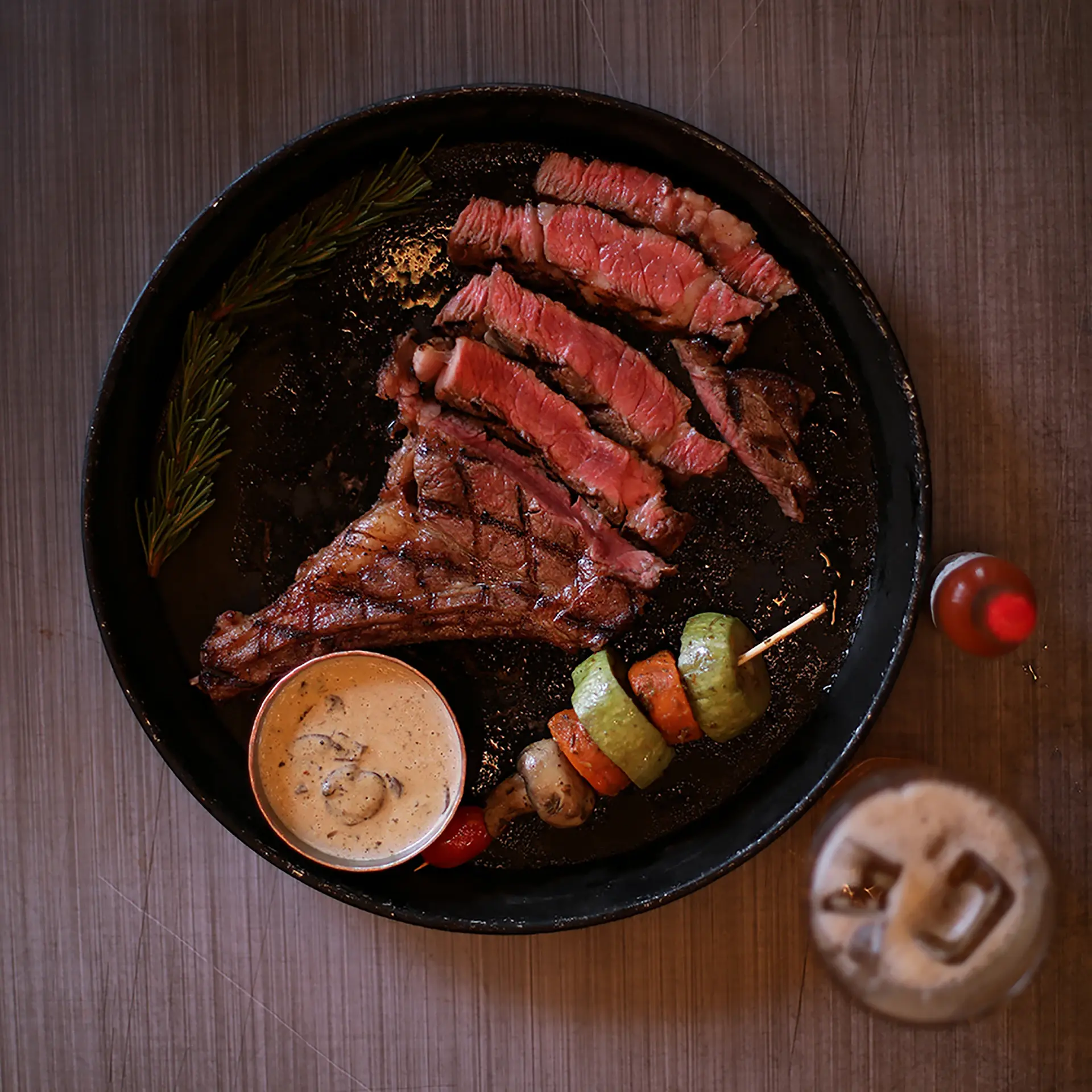
Firm tannins cut through the richness of well-marbled beef.
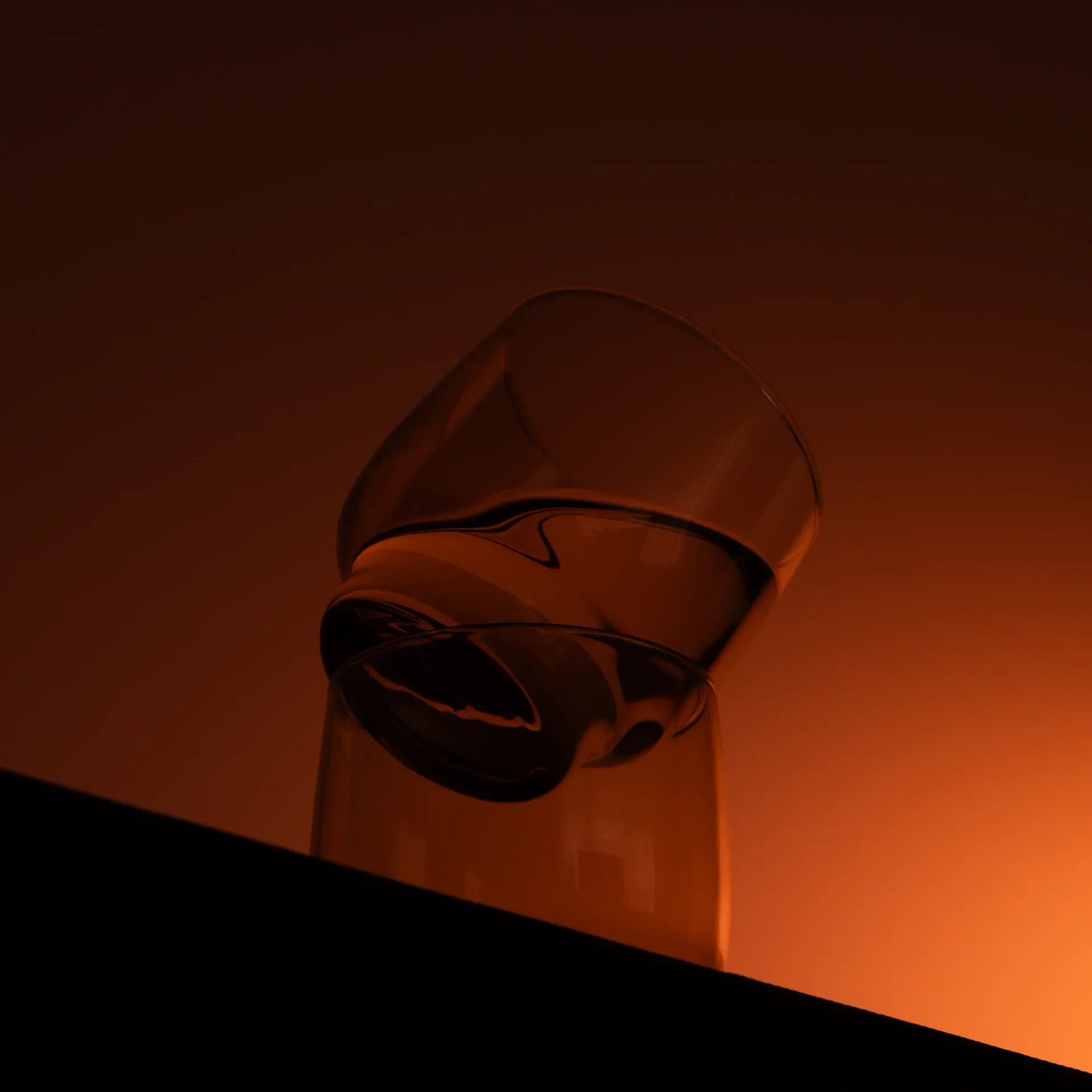
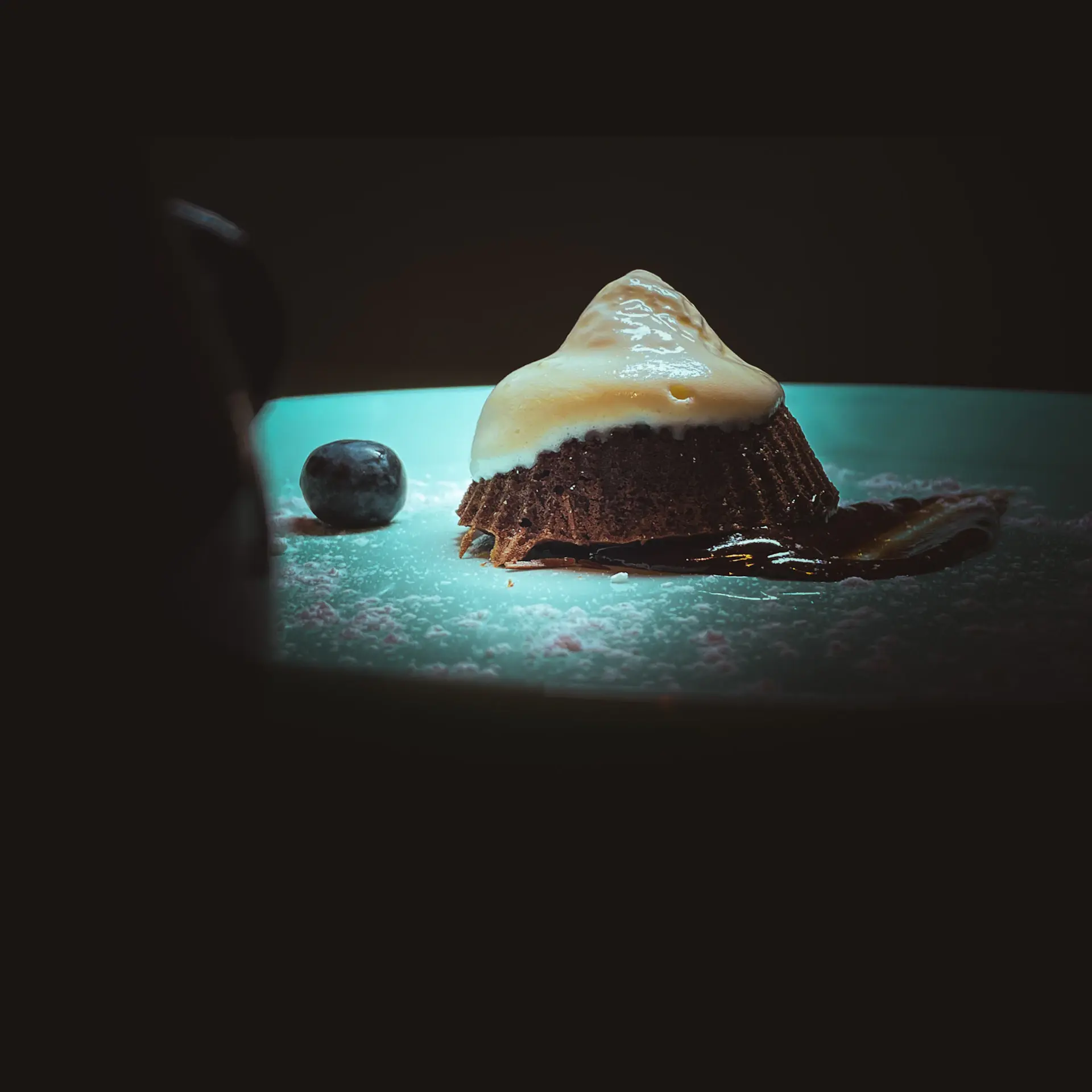
Nutty, caramel notes echo the cellar warmth of an old cognac.
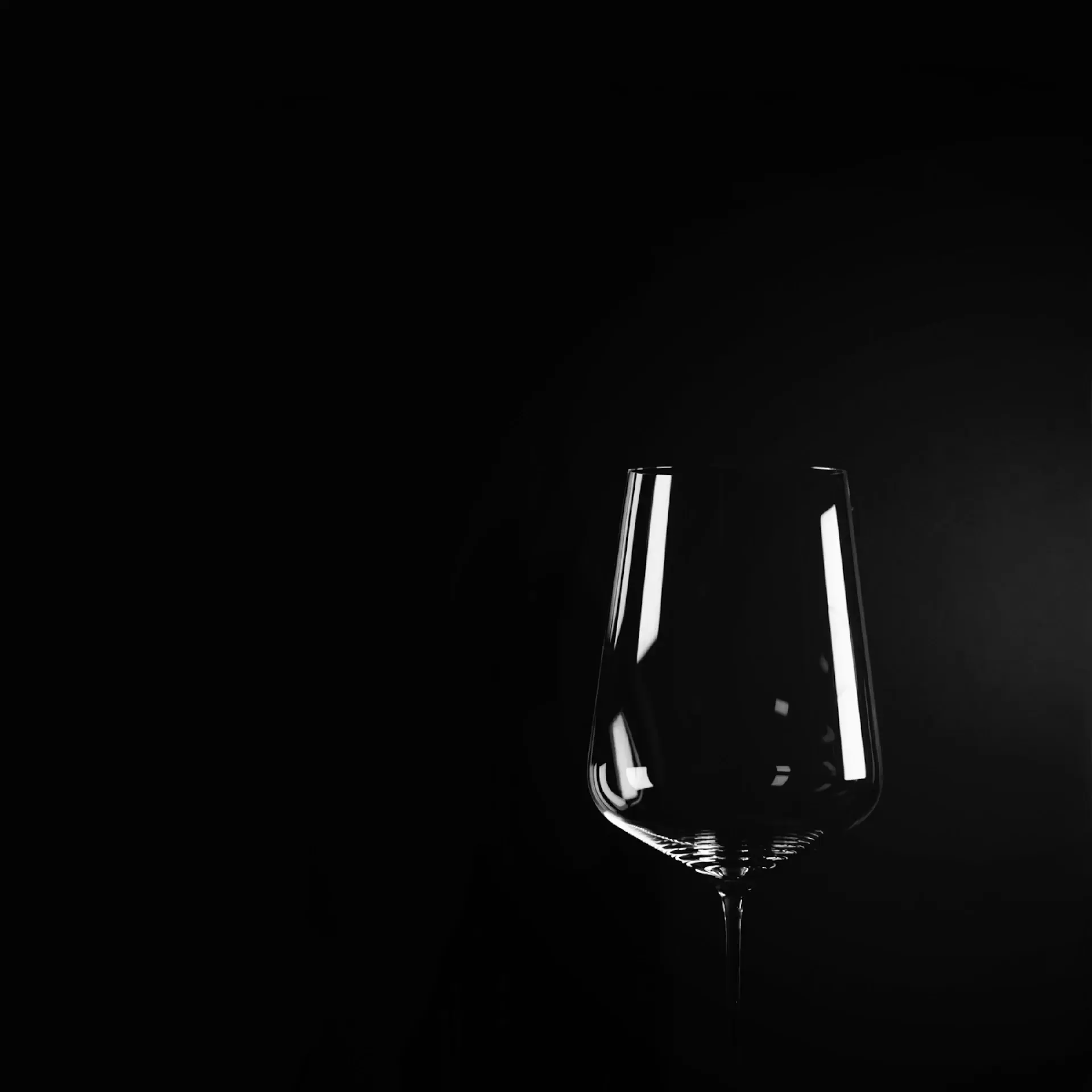
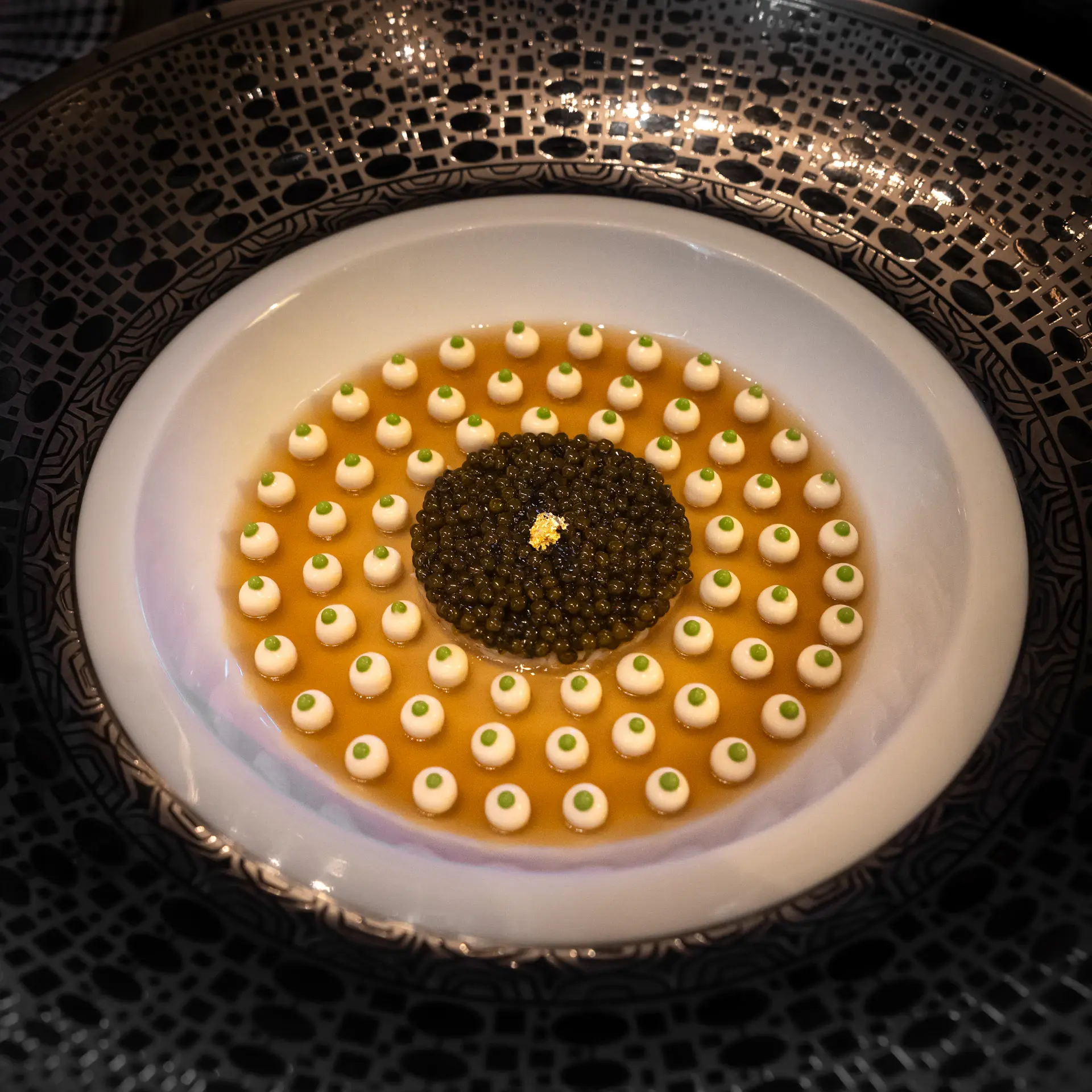
Mineral chardonnay and buttery roe — pure, unhurried indulgence.
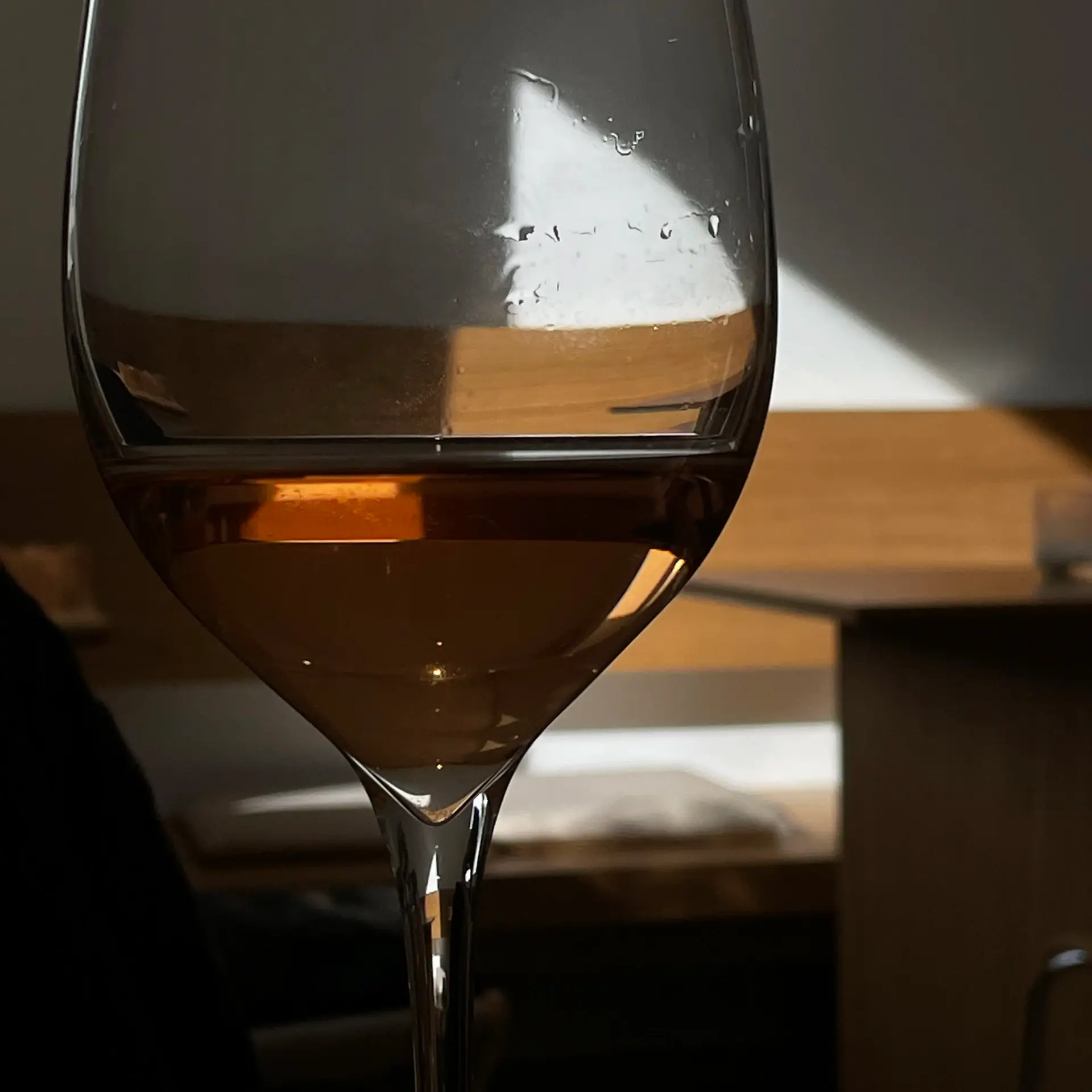
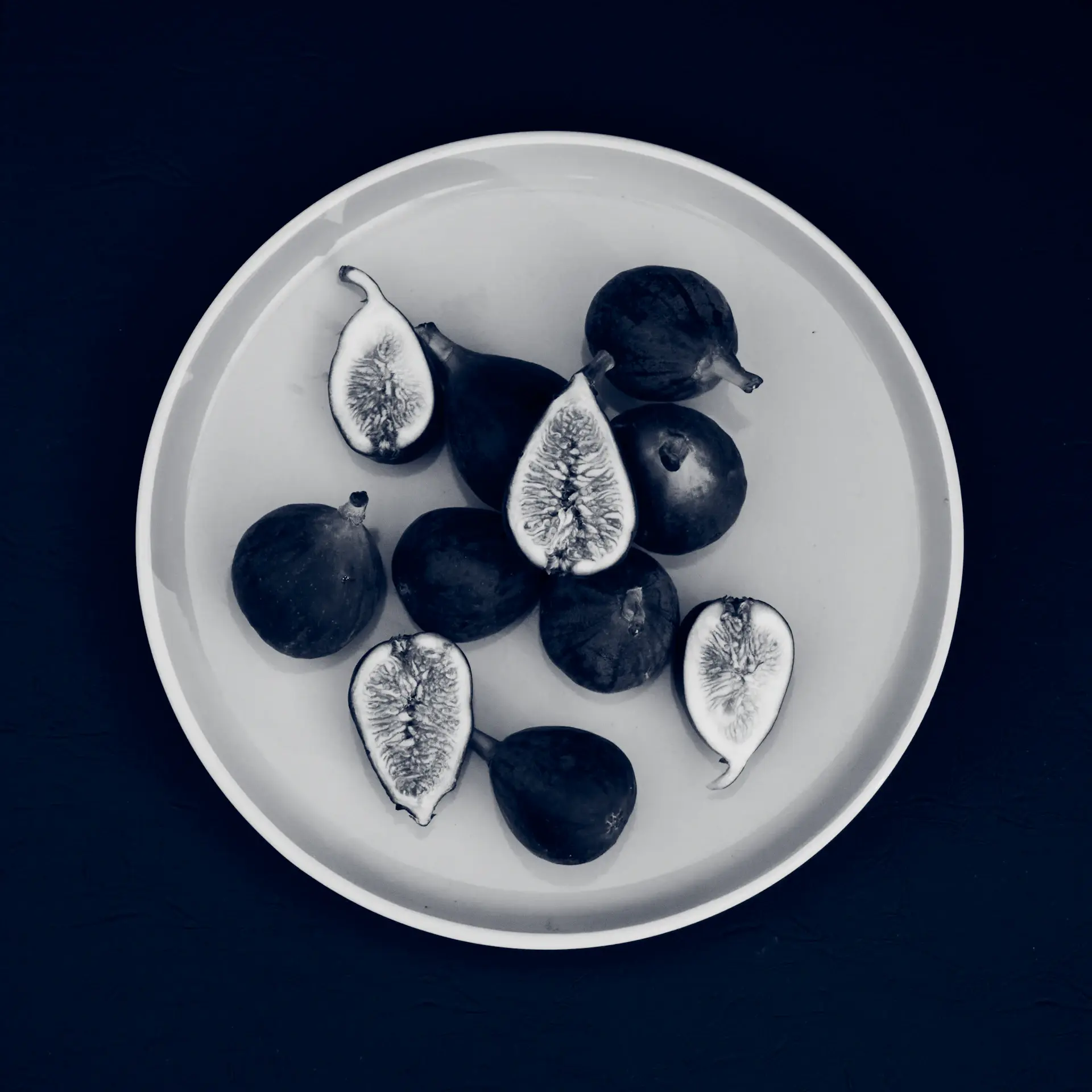
Honeyed sweetness balances the silken richness perfectly.
Serve still wines at 16–18°C, champagne at 8–10°C.
A tulip glass to concentrate the bouquet at the rim.
Allow older vintages 30 minutes to open and breathe.
40% ABV and above — savour slowly, never hurried.
Apply your appreciation to a bottle worthy of it — or let our concierge curate a tasting selection for you.